
NIC 2026 SPEAKER SERIES "5 questions with"
We have put the same five questions to the practitioners leading sessions this October, people who spend their working days in the trenches rather than on a stage. Third up: Paula Januszkiewicz, Founder and CEO of CQURE, back on the security track with two deep technical sessions on identity and forensics.
What do you believe that most of your peers would disagree with?
I'm not sure this would be controversial among my peers, but I think we still overestimate what tools and formal security checks can guarantee. I've seen organizations with mature security stacks and recent penetration tests still suffer incidents, simply because important weaknesses were missed. That's why the quality of testing matters so much. A superficial test can be worse than people realize, because it creates comfort without necessarily creating security. For me, the strongest teams aren't the ones with the most tools or reports, but the ones that keep questioning what they may still be missing.
What do teams still accept as normal, even though it creates unnecessary risk?
Teams get used to complexity very quickly. A temporary exception stays for years, someone keeps access they no longer need, or an old protocol remains because one application still depends on it. Each decision may have been perfectly reasonable at the time. The problem comes later, when dozens of these small exceptions start connecting and nobody has the full picture anymore. That's where unnecessary risk builds up. For me, the key is regular review: not asking who made a bad decision, but simply, "Do we still need this today?"
When did something last go wrong that genuinely surprised you, and what changed afterwards?
What still surprises me isn't usually the attacker's technique. After years in incident response, the patterns are familiar. The surprise is how often simple questions become difficult during a real investigation: when did this start, which account was used, where did the attacker move next, what data was touched? Sometimes the answer isn't available because the right logs were never collected or retained. That's changed how I think about readiness. Incident response doesn't begin when the phone rings. It begins earlier, with logging, telemetry, retention, and knowing what evidence your systems can actually give you.
What is one thing someone can change on Monday morning without waiting for a project, budget, or permission?
Choose one privileged account and follow it properly. Not in a policy document, but in the real environment. Where can it log on? What groups is it in? Which systems trust it? Is it used interactively? Could its credentials end up on a workstation or server where they should never appear? This exercise takes much less effort than a large security programme, but it often exposes surprising dependencies and old assumptions. You don't need a new budget to improve security. You can start by understanding one important access path better than you understood it on Friday.
What will people experience at NIC that they cannot get from a blog post or webinar?
At NIC, people will see things happen live, not just hear the polished conclusion afterwards. We can follow an attack path as it develops, inspect what the operating system is actually doing, look at where credentials appear, and use forensic artefacts to piece together what happened step by step. That matters because real environments rarely behave exactly like a diagram or a blog post. Something unexpected always comes up. NIC also has a very technical audience, so we can stop, dig into those surprises, challenge assumptions, and go much deeper than we normally could in a webinar or recorded session.
Paula is on the security track twice, both Wednesday in Room 1: Breaking Identity at Scale: From DPAPI & TBAL Secrets to Full Domain Compromise at 1:20pm, and Windows Knows What You Did: Deep Dive into Automatic Destinations at 4:00pm.
The most expensive question
Somewhere in your environment lives a problem you have been tiptoeing around for years. You have googled it. You have found the forum thread from 2019 where the last reply is "did you ever fix this?" (nobody did). You may even have paid someone who looked at it, nodded slowly and said "it depends".
It is still there. It is still costing you. And it is probably the most expensive question you have never asked.
Here is your chance.
Experts Unleashed
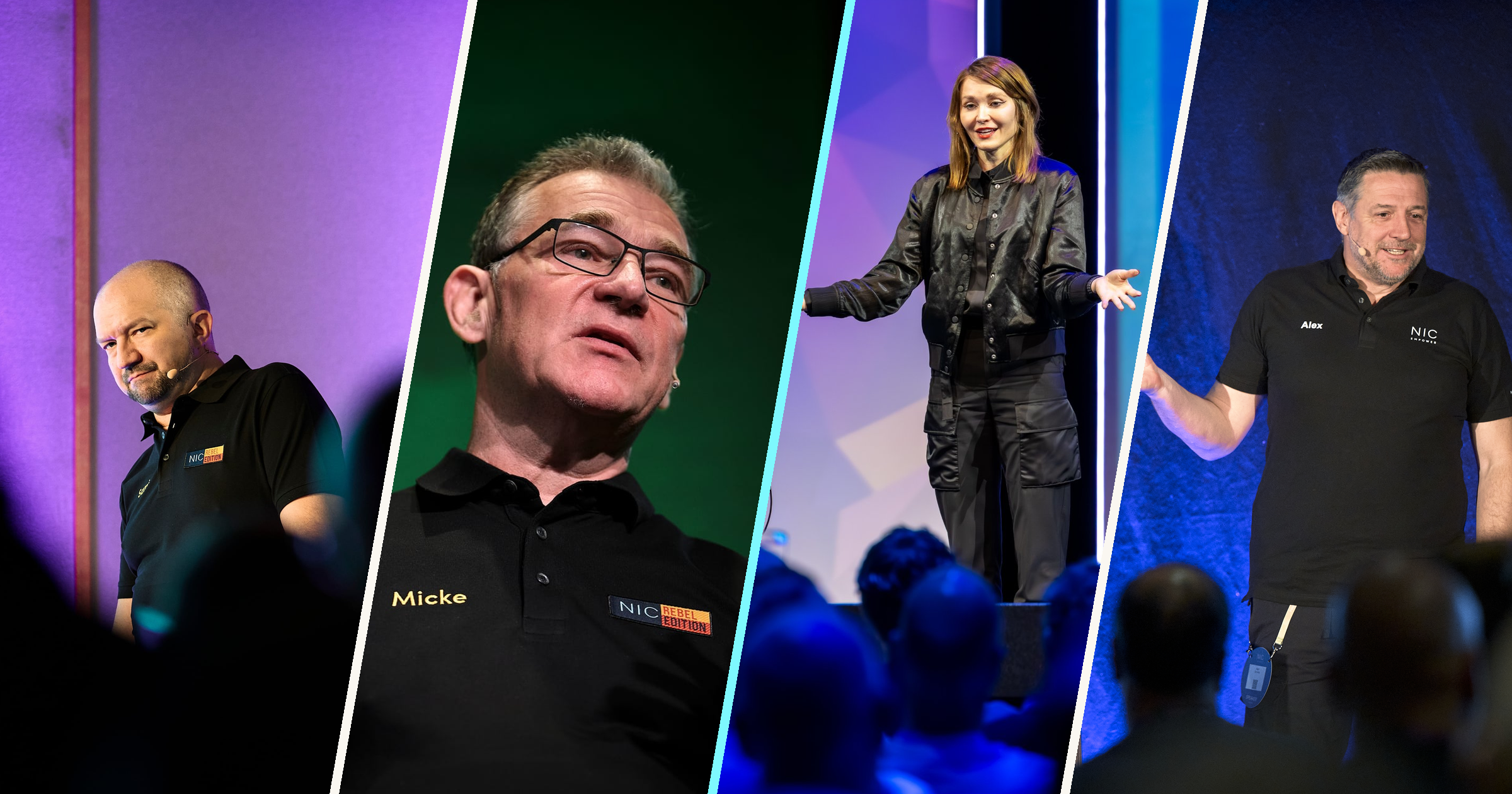
A brand new session at NIC 2026, and the only one where you write the agenda. You send the questions, we pick the best, and Sami Laiho, Mikael Nyström and Paula Januszkiewicz answer them live. Three experts, one stage, zero diplomacy. You will want to be in the room when they walk on.
Alex de Jong hosts, which means someone is in charge. In theory.
No slides. No sales pitch. One house rule for the experts: if you say "it depends", you explain what it depends on. They agreed. Mostly.
Questions to settle once and for all
Every team has that one discussion that keeps coming back, like a recurring meeting nobody dares to cancel. Cloud or on-prem. Whether anyone has opened the logs since go-live. Send it in and let the experts settle it, on stage, with witnesses. Then quote them in your next meeting and enjoy the silence.
The conversation you usually miss
You know the talks that happen when the laptops are closed and the experts finally say what they really think? Usually you hear about them the next morning, secondhand.
This time you are in it. Late in the day, nobody in a hurry, and your question on the table.
Your question, please
Be specific. "Is the cloud secure?" goes straight in the bin. "Why does this break every time we patch?" has a real shot. Anonymous is fine. We will not tell your boss.
When and where
You will find it in the agenda.
The answers will not be online. No slides, no recap. If you want them, you know where to be.
Submit your questions here: https://forms.cloud.microsoft/e/MJER6RZm5w
We need less technology, not more: Marius Sandbu on complexity as the real risk
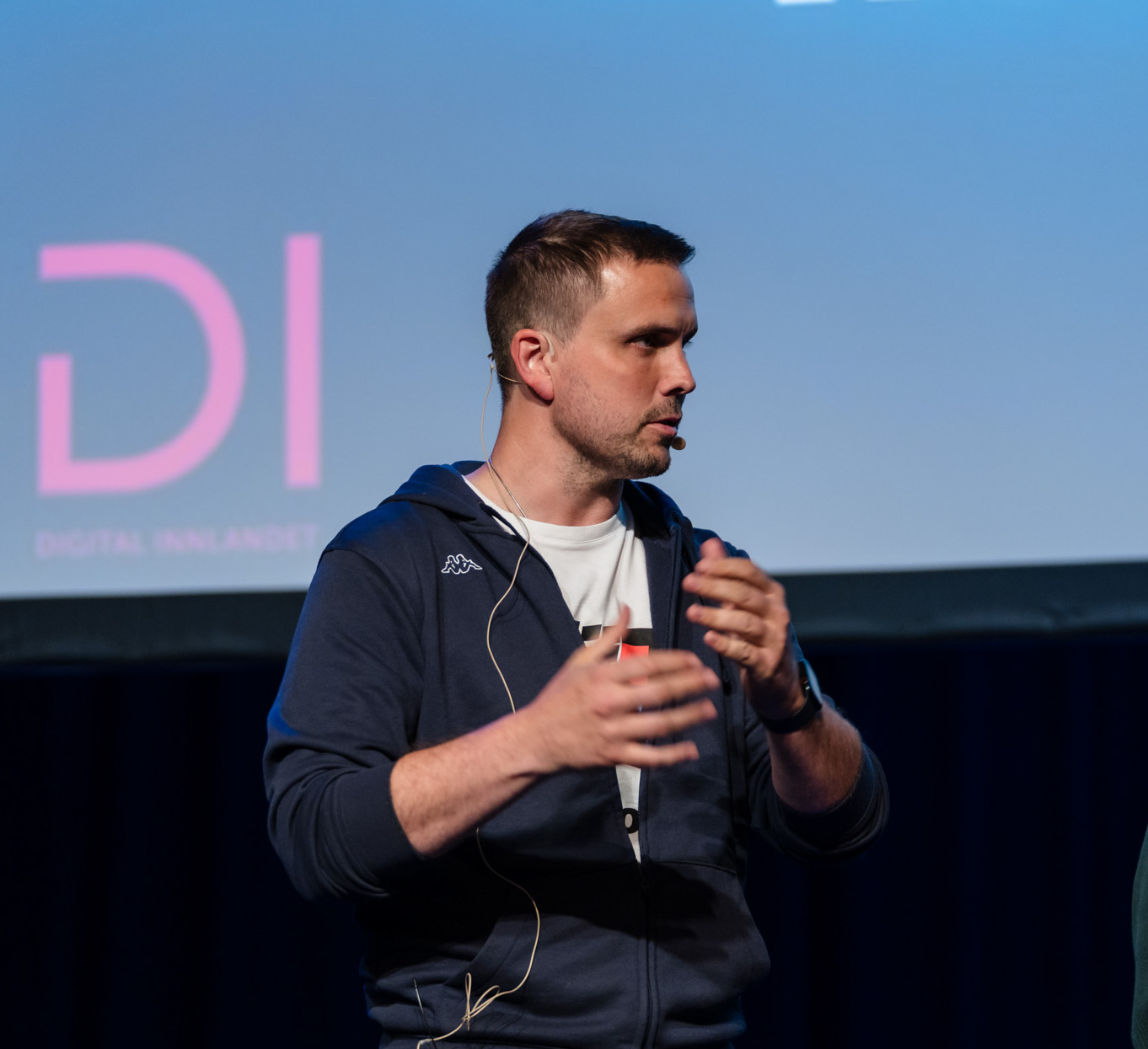
(Foto: Digital Innlandet v/Nina Knutsen)
NIC 2026 SPEAKER SERIES "5 questions with"
Fourth in our Speaker Series: Marius Sandbu, Cloud Evangelist at Sopra Steria and Azure AI MVP. We're putting the same five questions to the practitioners leading sessions at NIC 2026 this October, people who spend their working lives in the trenches rather than on a stage.
What do you believe that most of your peers would disagree with?
We need less technology, not more. We keep adding security products, monitoring tools, management platforms, and now AI, on top of everything else. Every new problem seems to result in another product. At some point, complexity becomes the biggest problem.
What do teams still accept as normal, even though it creates unnecessary risk?
Far too much permanent access. Admin accounts, service accounts, applications and APIs often get permissions because they needed them once, then keep them forever. Now we're adding AI agents with identities and permissions of their own.
When did something last go wrong that genuinely surprised you, and what changed afterwards?
What surprises me most these days isn't when technology fails, it's when it works exactly as designed and still creates a problem. Especially with AI agents. Give an agent an objective, some data, and access to tools, and it might find a perfectly logical way of achieving that objective nobody anticipated. That's changed how I think about automation. We used to test whether something could perform an action. Now we also need to test what happens when it gets creative about how it performs it.
What is one thing someone can change on Monday morning without waiting for a project, budget, or permission?
Delete something. An old admin account, an application nobody uses, a forgotten API key, software last opened in 2019. Security conversations tend to start with what we should buy next, but removing attack surface needs no budget or project, just someone willing to ask whether a thing still needs to exist. Find one, confirm nobody depends on it, and get rid of it.
What will people experience at NIC that they cannot get from a blog post or webinar?
You can read documentation, watch webinars, and ask AI to explain almost anything these days, but that doesn't replace meeting someone who's actually tried it in production and hearing: "Yeah, we did that. Don't do that." NIC brings together people who build, operate, and occasionally break real environments. The presentations give you ideas, but the discussions, questions, and shared war stories give you context.
Marius is on the Public Cloud track with Who Broke Production? Ask the Agent, a hands-on look at how Microsoft's new managed AI agent assists with troubleshooting and diagnosing failures in Azure, reasoning through signals across the environment, and how to configure and extend it with Skills, MCP integrations and sub-agents. Thursday at 3:40pm, Room 3.
-101.jpg)
Comfort is not security: Paula Januszkiewicz on why a clean report can still be wrong
NIC 2026 SPEAKER SERIES "5 questions with"
We have put the same five questions to the practitioners leading sessions this October, people who spend their working days in the trenches rather than on a stage. Third up: Paula Januszkiewicz, Founder and CEO of CQURE, back on the security track with two deep technical sessions on identity and forensics.
What do you believe that most of your peers would disagree with?
I'm not sure this would be controversial among my peers, but I think we still overestimate what tools and formal security checks can guarantee. I've seen organizations with mature security stacks and recent penetration tests still suffer incidents, simply because important weaknesses were missed. That's why the quality of testing matters so much. A superficial test can be worse than people realize, because it creates comfort without necessarily creating security. For me, the strongest teams aren't the ones with the most tools or reports, but the ones that keep questioning what they may still be missing.
What do teams still accept as normal, even though it creates unnecessary risk?
Teams get used to complexity very quickly. A temporary exception stays for years, someone keeps access they no longer need, or an old protocol remains because one application still depends on it. Each decision may have been perfectly reasonable at the time. The problem comes later, when dozens of these small exceptions start connecting and nobody has the full picture anymore. That's where unnecessary risk builds up. For me, the key is regular review: not asking who made a bad decision, but simply, "Do we still need this today?"
When did something last go wrong that genuinely surprised you, and what changed afterwards?
What still surprises me isn't usually the attacker's technique. After years in incident response, the patterns are familiar. The surprise is how often simple questions become difficult during a real investigation: when did this start, which account was used, where did the attacker move next, what data was touched? Sometimes the answer isn't available because the right logs were never collected or retained. That's changed how I think about readiness. Incident response doesn't begin when the phone rings. It begins earlier, with logging, telemetry, retention, and knowing what evidence your systems can actually give you.
What is one thing someone can change on Monday morning without waiting for a project, budget, or permission?
Choose one privileged account and follow it properly. Not in a policy document, but in the real environment. Where can it log on? What groups is it in? Which systems trust it? Is it used interactively? Could its credentials end up on a workstation or server where they should never appear? This exercise takes much less effort than a large security programme, but it often exposes surprising dependencies and old assumptions. You don't need a new budget to improve security. You can start by understanding one important access path better than you understood it on Friday.
What will people experience at NIC that they cannot get from a blog post or webinar?
At NIC, people will see things happen live, not just hear the polished conclusion afterwards. We can follow an attack path as it develops, inspect what the operating system is actually doing, look at where credentials appear, and use forensic artefacts to piece together what happened step by step. That matters because real environments rarely behave exactly like a diagram or a blog post. Something unexpected always comes up. NIC also has a very technical audience, so we can stop, dig into those surprises, challenge assumptions, and go much deeper than we normally could in a webinar or recorded session.
Paula is on the security track twice, both Wednesday in Room 1: Breaking Identity at Scale: From DPAPI & TBAL Secrets to Full Domain Compromise at 1:20pm, and Windows Knows What You Did: Deep Dive into Automatic Destinations at 4:00pm.